City Intelligence · 11/8/2026
Canopy Daily · Nov 8: Canopy Daily Boston: Fall Planting Pushes Forward as Private Canopy Loss Sparks Policy Debate
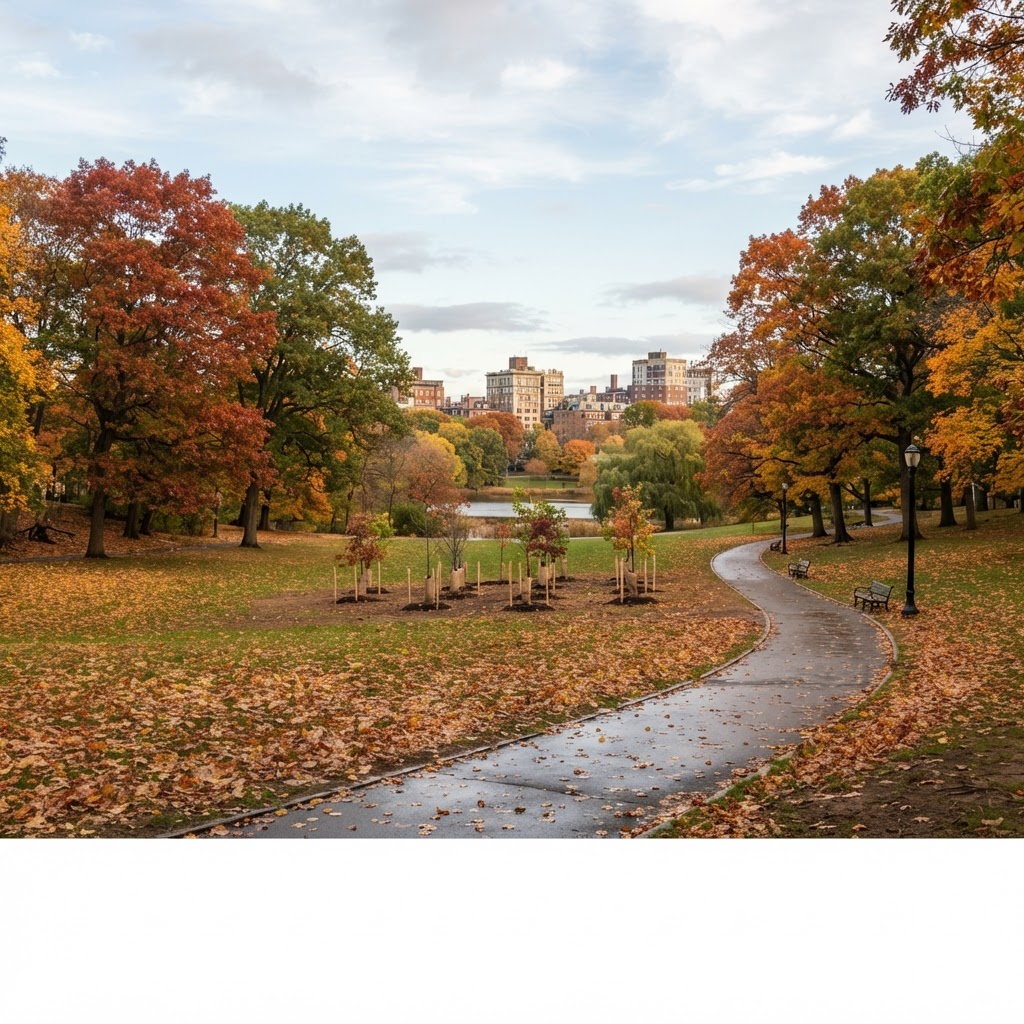
Boston's Urban Forestry Division is advancing its autumn target of planting 600 street trees and expanding systematic pruning cycles across municipal corridors. Meanwhile, arborists and advocates grapple with regulatory limits over private residential canopy losses and ongoing vigilance against late-season invasive pests.
Regulations & Permits
Municipal arborists remind contractors and residents that street trees and public sidewalk specimens remain strictly protected under Massachusetts General Law Chapter 87, prohibiting unauthorized pruning or removal without formal tree warden hearings and Urban Forestry Division permits City of Boston Urban Forestry Division. However, local canopy advocates continue to highlight a major regulatory gap on private land: while peer cities like Cambridge enforce private-tree removal ordinances, Boston still lacks private-property tree protection or permit mandates The Cool Down. City officials have not pursued mandatory private tree removal codes, instead relying on voluntary pedestrian easements and the Boston Tree Alliance grant program to incentivize retention and stewardship on non-city parcels The Cool Down, City of Boston News.
Community Concerns
Canopy equity and net canopy decline remain central concerns for Boston neighborhoods. Although municipal planting efforts added more than 170 acres of public canopy between 2019 and 2024, approximately 120 acres were removed on private residential parcels, muting net citywide gains The Cool Down. Simultaneously, neighborhood BOS:311 reports this week highlight acute infrastructure friction, including mechanical damage to low-hanging street tree branches from municipal trash trucks along residential corridors like Boston Street, alongside ongoing safety hazards from neglected sidewalk trip-hazard stumps awaiting removal and repaving in Back Bay and the South End City of Boston 311.
Ecosystem Challenge & Solution
A critical late-autumn ecosystem challenge across Boston's parks and urban woodlands is the confirmed establishment of the spotted lanternfly (Lycorma delicatula) City of Boston Urban Forestry Division. November marks the post-frost phase where adults perish but leave cryptic, mud-like egg masses on tree bark, stone walls, and landscape materials. Stewardship crews are urged to scrape and neutralize egg masses in rubbing alcohol and aggressively target non-native host trees, especially Tree of Heaven (Ailanthus altissima). For replacement planting in urban street pits and compacted soils, the Urban Forestry Division recommends planting resilient native canopy alternatives such as the Swamp White Oak (Quercus bicolor), which withstands seasonal drought, wet urban soils, and roadway de-icing salts while providing high wildlife value.
Volunteer & Planting
Boston's Urban Forestry Division is actively executing its fall street planting campaign with 600 street trees slated for installation across neighborhoods City of Boston Urban Forestry Division. Local stewards and residents can participate in upcoming community events, including the Alma Wright Zen Garden Tree Planting organized by Tree Boston on November 12, 2026, in Roxbury Tree Boston. Additionally, the Boston Urban Wilds Program will host a 'Serve and Learn' volunteer stewardship session on November 21, 2026, at Roslindale Wetlands Urban Wild, where volunteers will learn dormant-season native seeding and habitat restoration techniques City of Boston Events.