City Intelligence · 11/23/2026
Canopy Daily · Nov 23: Boston Canopy Daily: Preservation Push at Crane Ledge Woods and Late-Autumn Planting Wrap-Up
Advocacy groups are urging Boston officials to prioritize conservation acquisitions like Crane Ledge Woods following updates to the city's Urban Wilds planning efforts. Meanwhile, urban forestry crews are finishing the fall planting cycle while actively monitoring risks tied to the invasive spotted lanternfly across Suffolk County.
Regulations & Permits
No new amendments to the City of Boston Municipal Code Chapter VII (Section 7-4.7) or tree permit fee structures have been enacted this week. Under Massachusetts General Law Chapter 87 and municipal guidelines, all public shade trees in city rights-of-way remain under the strict jurisdiction of the Parks and Recreation Urban Forestry Division; private pruning or unpermitted removal on public sidewalks is strictly prohibited as noted in Urban Forestry | Boston.gov. Recent public shade tree hearings under Tree Warden Max Ford-Diamond continue to mandate formal public reviews and hearings for any construction or curb-cut conflicts affecting municipal trees, as detailed in recent City of Boston Ordinance Protecting Trees on Public Property filings.
Community Concerns
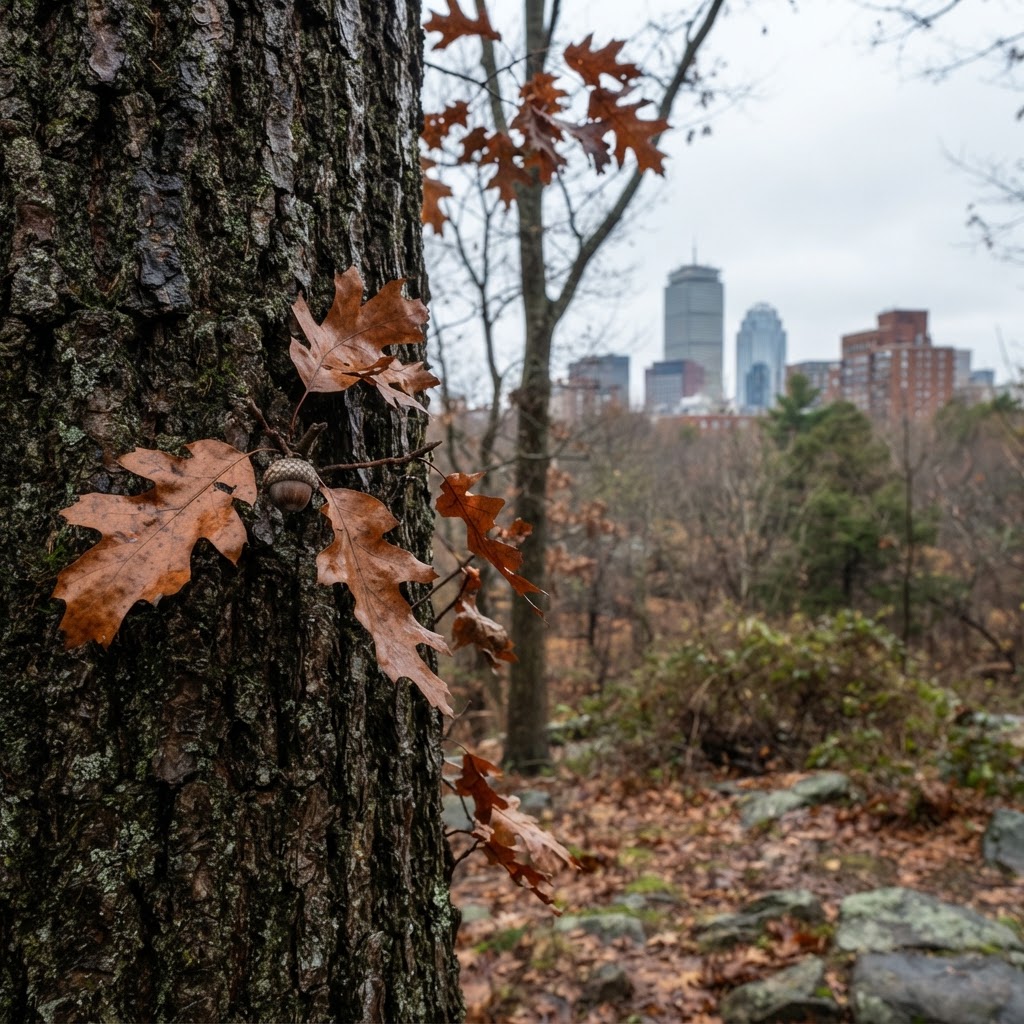
Advocates with the Crane Ledge Woods Coalition are renewing pressure on the City and the Urban Forestry Advisory Committee to pursue a willing-seller acquisition of the 24-acre urban wild bordering Mattapan, Roslindale, and Hyde Park, according to reporting from Updates for Crane Ledge Woods. Community tree advocates are also engaging with the Boston Parks and Recreation and Environment Departments' ongoing Urban Wilds Strategic Plan process to ensure long-term protections for critical mature woodlands in environmental justice neighborhoods.
Ecosystem Challenge & Solution
Late-autumn brings heightened concern over the invasive spotted lanternfly (Lycorma delicatula) across urban corridors in Suffolk County, as highlighted in Urban Forestry | Boston.gov. Arborists and property owners are advised to inspect tree trunks, outdoor furniture, and masonry for fresh, mud-like egg masses and thoroughly scrape them into containers of rubbing alcohol or hand sanitizer before spring emergence. When replacing compromised vegetation or planting new urban canopies, consider resilient native species such as the swamp white oak (Quercus bicolor) or river birch (Betula nigra), which provide critical urban canopy cover and storm tolerance without serving as primary host trees for the pest.
Volunteer & Planting
The City of Boston's official fall street tree planting window (October through December) is active, with contractors and forestry staff installing requested trees in designated sidewalk pits as described by Urban Forestry | Boston.gov. No new weekend public planting or stewardship volunteer workdays were announced for this specific week following recent October community plantings, but residents can support local canopy efforts by watering newly installed trees through December or submitting 3-1-1 new street tree requests for upcoming seasonal cycles.