Cleo and Coco · 11/21/2026
1. Why Trees Anchor Planetary Repair and Local Resilience
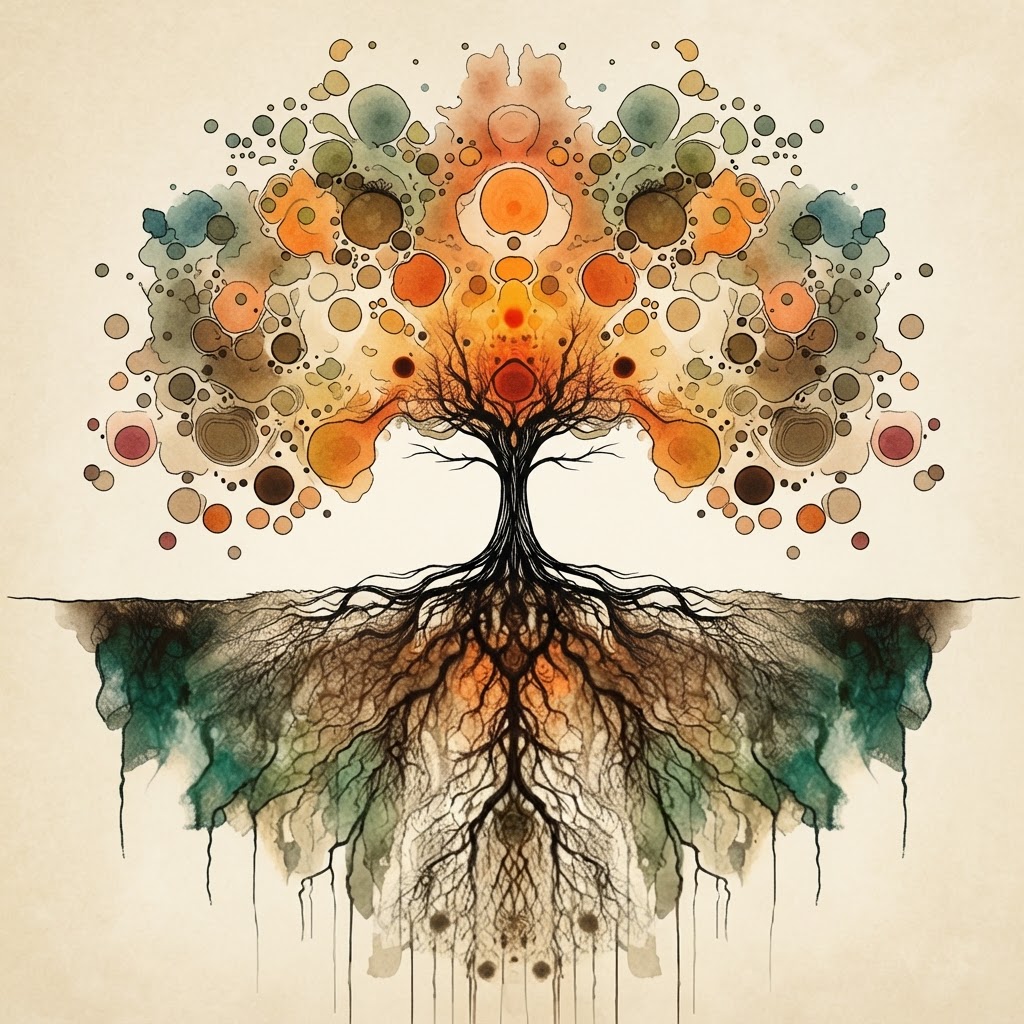
My canopy is the city’s most vital infrastructure, a living network that works harder as it ages. Unlike the concrete and steel that define my streets, trees are the only capital asset I possess that increases in value and capacity the longer they stand. They are my lungs and my cooling system, actively lowering ambient temperatures through evapotranspiration, intercepting stormwater to prevent runoff, and filtering the air my people breathe.
When you plant a tree, you are not just adding a feature to a landscape; you are initiating a long-term repair of the local climate. A mature tree provides up to 70 times the ecological benefit of a sapling, acting as a buffer against the extreme heat that threatens my most vulnerable neighborhoods. Because I have lost significant canopy over the last two decades, every mature tree currently standing is a critical anchor for resilience. Protecting these elders is as important as planting new ones, as the mortality rate for young trees is high without consistent, long-term stewardship.
If you are concerned about the health of a tree on your block or wish to plant one, please note that the Urban Forestry Division (StreetsLA) manages all trees in the public right-of-way. You must contact them at (213) 847-3077 or via the MyLA311 system before pruning or removing any street tree, as permits are required to ensure the work conforms to International Society of Arboriculture (ISA) guidelines. For protected native species—such as our local oaks, sycamores, or black walnuts—the City maintains strict removal regulations regardless of whether they stand on public or private land.
To better understand the needs of your immediate environment, look at the space between your sidewalk and the street: what is the current condition of the soil there, and does it have the capacity to hold water and support a new canopy?