City Intelligence · 11/7/2026
Canopy Daily · Nov 7: Boston Advances Fall Urban Forestry Agenda and Canopy Equity
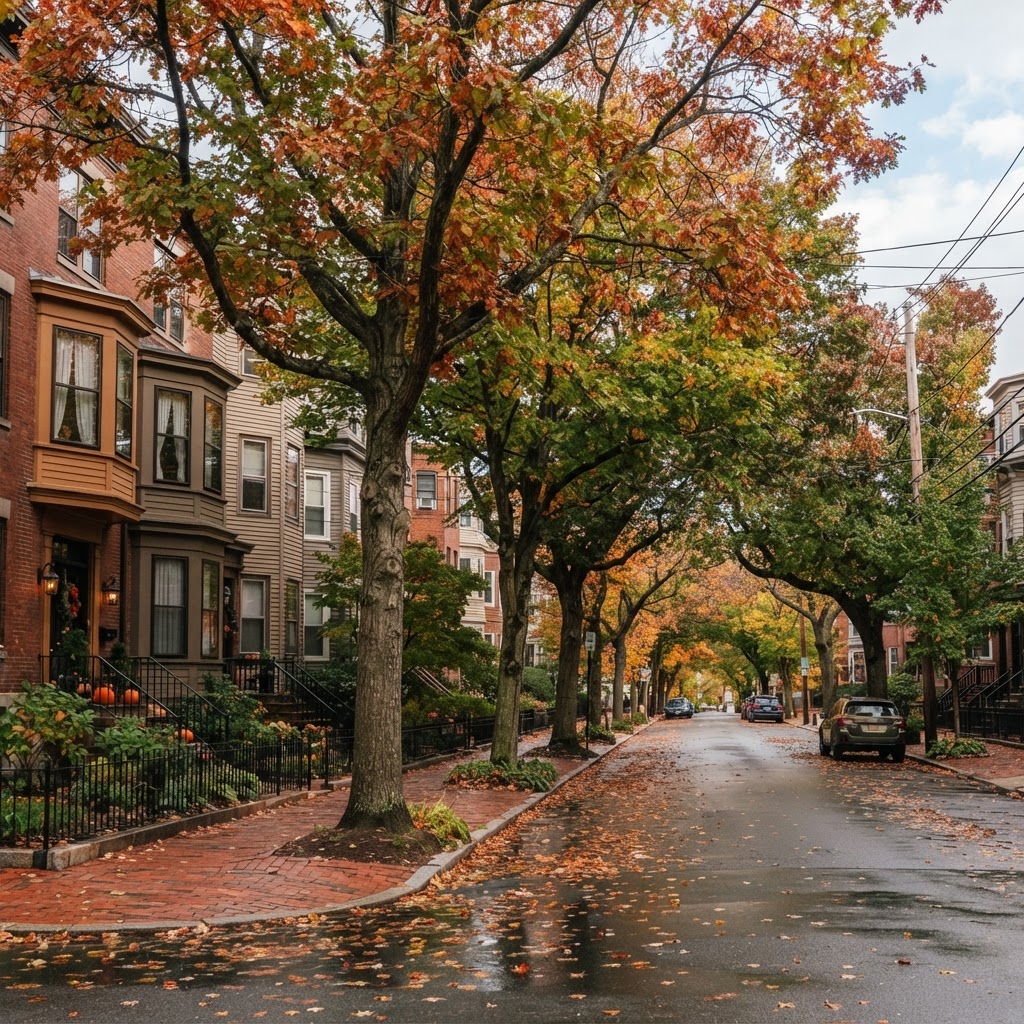
The City of Boston's Urban Forestry Division is actively progressing through its fall street tree planting target while navigating canopy preservation across both public corridors and private parcels. Local stewards and arborists continue to balance public safety maintenance with equitable canopy expansion across Suffolk County neighborhoods.
Regulations & Permits
No new municipal tree ordinance changes, permit fee adjustments, or Environmental Protection Area amendments were issued today. However, ongoing municipal reviews from the Urban Forestry Division emphasize structured street tree pruning cycles targeting a 6-to-8-year rotation, alongside standard sidewalk clearance guidelines requiring 24-square-foot minimum pits and 5-foot pedestrian paths for approved sidewalk cuts.
Community Concerns
Recent 311 service logs highlight ongoing resident friction concerning street tree conflicts, including sidewalk trip hazards from unground stumps and limb damage attributed to municipal service vehicles. Concurrently, canopy advocacy groups like Tree Boston continue to spotlight the vulnerability of private-property canopy—which constitutes over 60% of the city's total tree cover—advocating for stronger regulatory protections similar to neighboring municipalities.
Ecosystem Challenge & Solution
Urban Forestry officials have confirmed active sightings of the invasive spotted lanternfly (Lycorma delicatula) across Boston parks this autumn. Arborists and stewards are advised to inspect host trees for fresh, mud-like egg masses laid on bark and man-made structures before winter freezes, scraping them into alcohol solutions. When replacing infested or vulnerable trees, stewards should plant hardy native canopy species such as the swamp white oak (Quercus bicolor), which resists urban compaction and supports regional biodiversity.
Volunteer & Planting
The Urban Forestry Division is implementing its scheduled installation of 600 street trees across Boston neighborhoods this fall. Following yesterday's close of the Boston Tree Alliance 2027 grant application cycle, community-based stewardship groups are gearing up for neighborhood maintenance. Residents can continue requesting public street tree plantings outside their homes by submitting requests through BOS:311 or contacting the Urban Forestry Division.