City Intelligence · 11/7/2026
Canopy Daily · Nov 7: L.A. Pushes Urban Canopy Modernization Amid Permit and Defensible Space Debates
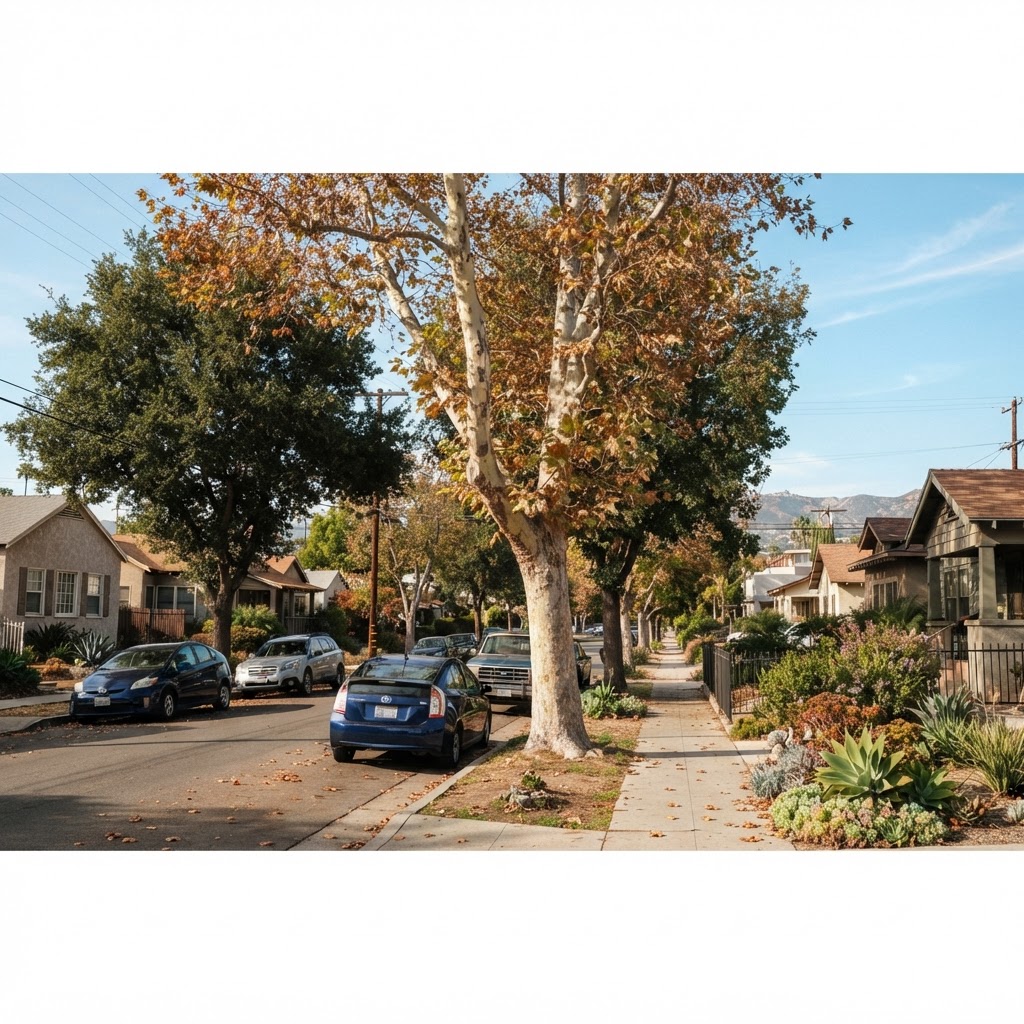
Los Angeles city officials are advancing plans to plant nearly 75,000 vacant street tree wells while reviewing restrictive right-of-way spacing guidelines. At the same time, community advocates and arborists are actively navigating root barrier mandates and emerging state ember-resistant zone requirements.
Regulations & Permits
The Los Angeles City Council has instructed StreetsLA’s Urban Forestry Division to review and modernize decades-old street tree spacing guidelines, a shift aimed at unlocking thousands of prospective planting sites across the right-of-way. In addition, the city is navigating local municipal implementation of California's emergency Zone Zero (0–5 ft ember-resistant zone) wildfire defensible space rules in Very High Fire Hazard Severity Zones, where arborists must balance structural clearance mandates against canopy loss and hillside slope stability. StreetsLA continues to require a no-fee planting permit for public rights-of-way and strictly prohibits unauthorized pruning or removal without division arborist inspection or Board of Public Works hearings.
Community Concerns
Nonprofit planting coalitions led by groups like North East Trees have lodged urgent appeals regarding the city’s recent universal enforcement of Standard Plan S-456-2 root barriers, warning that eliminating exemptions stalls grant-funded projects in historically low-canopy neighborhoods such as South Los Angeles and the Eastside. Simultaneously, the Community Forest Advisory Committee (CFAC) and local neighborhood councils are advocating through Council File 26-1333 to fast-track planting across 74,910 mapped vacant tree wells, demanding sustainable municipal funding and expanded native stock from local nurseries.
Ecosystem Challenge & Solution
As Los Angeles heads into late autumn following peak summer heat waves, compact soils and extreme heat stress continue to impede root development in narrow urban parkways. To address this, arborists and urban planners are pushing for modular structural cell systems (such as Silva Cells) and expanded tree basins that relieve soil compaction and improve stormwater capture. For native biodiversity and long-term drought resilience, the California sycamore (Platanus racemosa) or coast live oak (Quercus agrifolia) serve as optimal species where space permits, while smaller parkways benefit from native selections sourced directly through regional nursery palettes.
Volunteer & Planting
While no specific public volunteer dates were recorded today, local neighborhood councils—such as the Palms Neighborhood Council—are advancing community planting initiatives and budgeting for street tree installations. Resident stewards and arborists can coordinate right-of-way planting efforts and access residential shade trees through City Plants, or contact organizations such as North East Trees and TreePeople to participate in ongoing regional urban forestry restoration projects.