City Intelligence · 11/22/2026
Canopy Daily · Nov 22: Seattle Navigates Urban Tree Equity, Root Rot Challenges, and 2026 Code Revisions
King County and Seattle urban forestry efforts are zeroing in on canopy disparities and forest health as winter approaches. Arborists and land managers are adapting to refined tree protection standards while addressing fungal root rot stressors across regional stands.
Regulations & Permits
Under Seattle Municipal Code Chapter 25.11 amended by Ordinance No. 127300, the SDCI enforces updated tree protection standards that eliminate the previous 'basic tree protection area' in favor of an arborist-proposed, SDCI-verified protection area based on the trunk diameter method (one foot of radius per inch DSH) as noted by Trees & Codes - Construction and Inspections | seattle.gov. This verified tree protection area is uniformly applied to calculate Tier 2 tree removal allowances in Neighborhood Residential and Lowrise zones and to protect retained trees during construction. In Environmentally Critical Areas (ECAs), arborists and contractors are reminded via SDCI Tip #331 that normal and routine maintenance of trees and vegetation over an area exceeding 750 square feet requires permitting review.
Community Concerns
Advocacy groups and neighborhood leaders continue pushing the City of Seattle on enforcement and equity ahead of the upcoming winter canopy assessment, as reported by Nordic News. Recent assessments revealed Seattle's tree canopy dropped to 28.1%, with justice-priority neighborhoods experiencing up to 31% lower canopy coverage compared to citywide averages. Community groups like Birds Connect Seattle and Trees for Seattle emphasize the need for clear planting roadmaps and enhanced monitoring—such as round-the-clock unpermitted removal reporting—to safeguard remaining mature trees in rapidly developing sectors.
Ecosystem Challenge & Solution
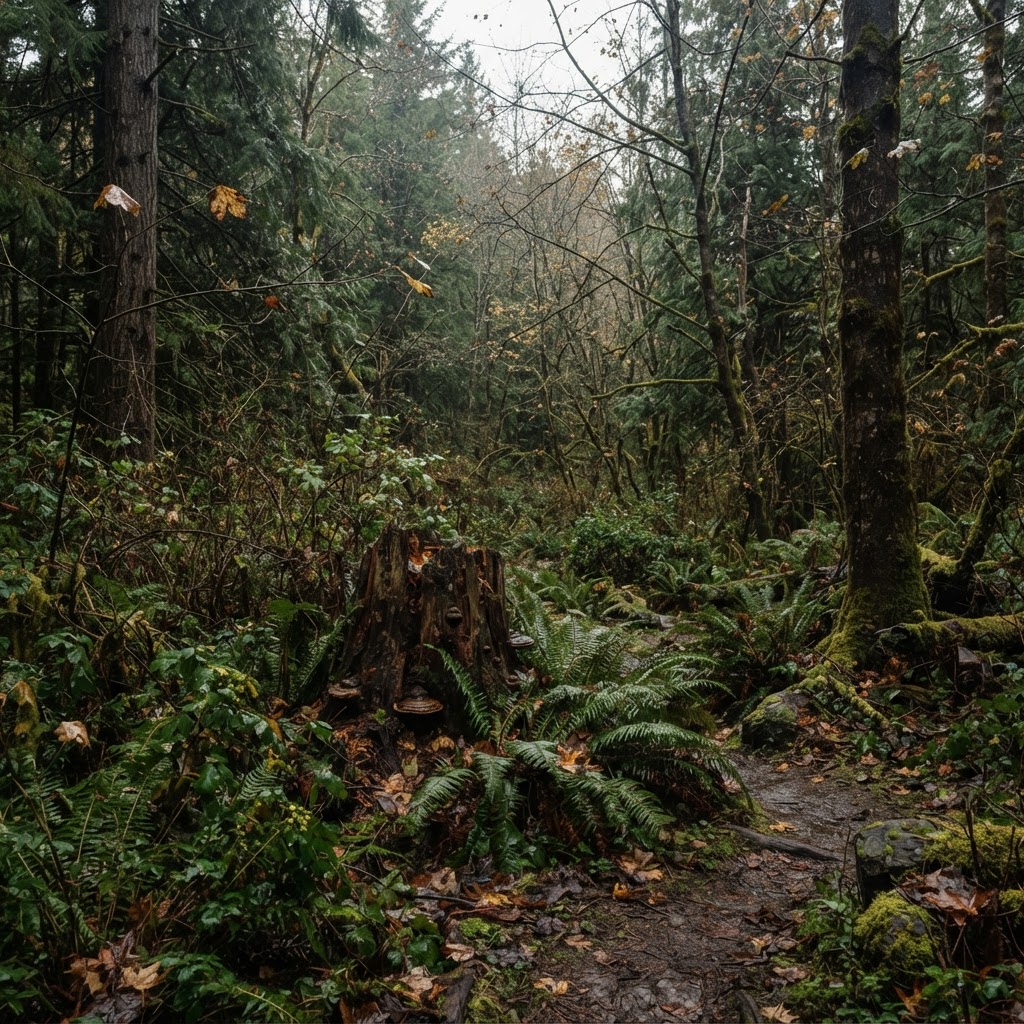
Dense native stands in the Puget Sound region face severe stress from fungal root rot pathogens, leading to weakened root systems, dieback, and blowdowns during seasonal wet weather. As highlighted in King County Forest Stewardship, dense monocultures of Douglas-fir (Pseudotsuga menziesii) are particularly vulnerable, prompting county managers to conduct selective thinning to provide remaining trees with adequate light and moisture. The practical long-term remedy is diversifying impacted areas by replanting root rot-resistant native conifers and broadleaf species, such as western redcedar (Thuja plicata) or bigleaf maple (Acer macrophyllum), to break fungal cycles and bolster stand resilience.
Volunteer & Planting
With November initiating the regional tree-planting season, the Seattle Department of Transportation and the Office of Sustainability and Environment have commenced seasonal neighborhood planting drives as reported on the SDOT Blog. Following the conclusion of Seattle Forest Week, community stewardship efforts are centering on the federally supported Foresting Seattle initiative and upcoming Tree Equity Plan, which run localized planting teams in the Chinatown-International District (CID) and Beacon Hill. No specific new public volunteer dates were announced today beyond ongoing neighborhood cohort registrations.