City Intelligence · 11/11/2026
Canopy Daily · Nov 11: San Francisco Advances Vehicle-Based LiDAR Tree Inventory Amid Neighborhood Canopy Equity Debates
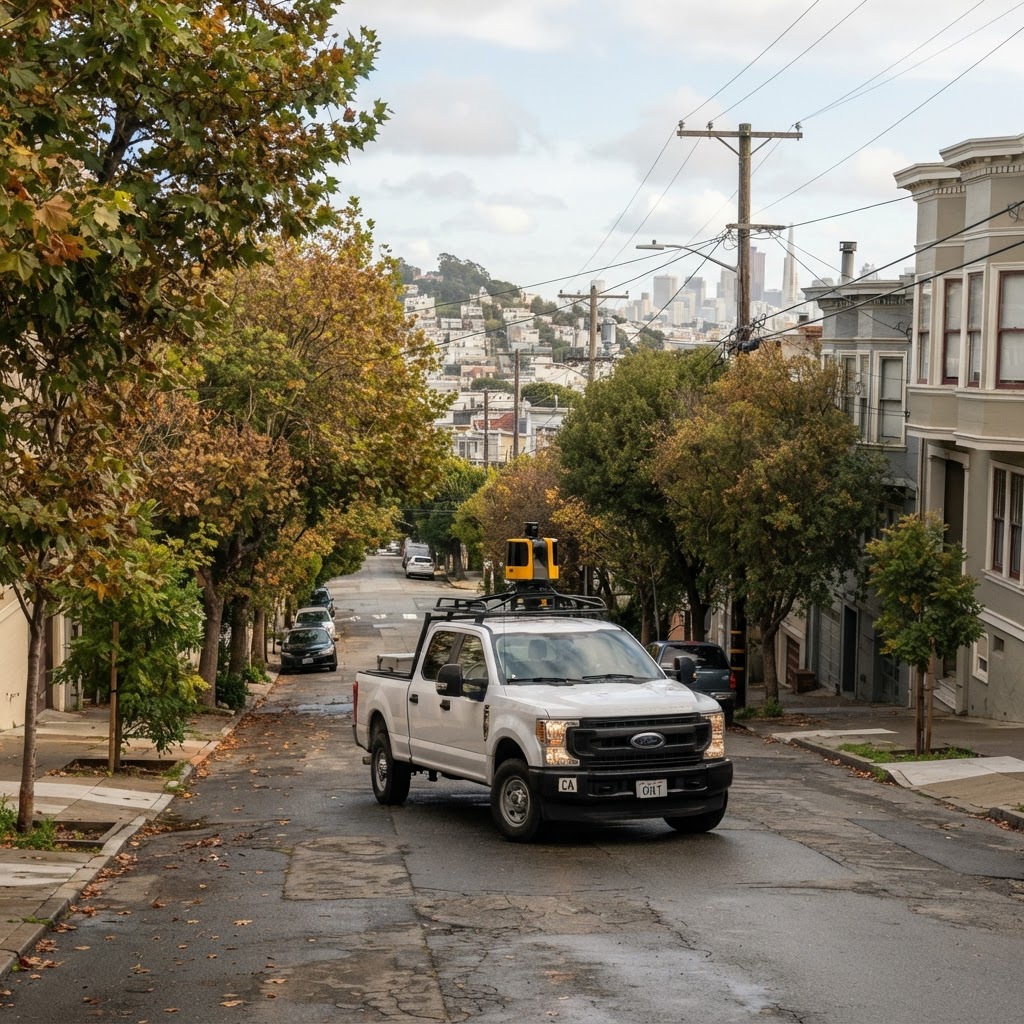
San Francisco Public Works is deploying vehicle-based mobile LiDAR scanning across all 47 square miles to rapidly map and assess the condition of roughly 125,000 municipal street trees. Meanwhile, community advocates continue pushing city commissions for formal canopy targets and the repeal of sidewalk-width restrictions that prevent replanting empty basins in lower-canopy neighborhoods.
Regulations & Permits
Under Article 16 of the San Francisco Public Works Code, street trees, significant trees (located on private property within 10 feet of the public right-of-way meeting size thresholds), and landmark trees remain protected during development. The Department of Building Inspection and Public Works updated procedural reminders that any construction activity within a protected tree's dripline requires an Existing Tree Disclosure and an arborist-prepared Tree Protection Plan approved prior to building permit issuance. Additionally, under recent code updates (Ordinance 186-26), developers may satisfy certain street tree requirements via an established in-lieu planting fee ($2,590 for FY 2025–2026) directed to the Adopt-A-Tree Fund when on-site planting is constrained.
Community Concerns
Canopy advocacy remains centered on persistent green infrastructure disparities between neighborhoods. During recent Board of Supervisors committee hearings and Sanitation and Streets Commission proceedings, groups including FairTrees highlighted that District 6 (encompassing SoMa, Mission Bay, and South Beach) records canopy coverage as low as 2.7%, well below the citywide average of under 14%. Community members are actively urging Public Works to adopt binding neighborhood canopy targets and repeal or issue formal exceptions for Public Works Order 187246, which restricts replanting empty tree wells on sidewalks narrower than 7.5 feet and leads to empty basins being backfilled rather than restocked.
Ecosystem Challenge & Solution
Late-autumn street tree removals posted across city corridors continue to cite canopy dieback caused by Myoporum thrips (Klambothrips myopori), alongside crown instability from compromised root plates during necessary sidewalk uplift repairs. For arborists and property stewards managing pest-induced decline or tight sidewalk rights-of-way, transitioning away from susceptible non-native exotics is vital. Plantings should prioritize resilient, drought-tolerant native species that provide robust ecological value without aggressive surface-root heave, such as Coast Live Oak (Quercus agrifolia) in broader planting basins or Toyon (Heteromeles arbutifolia) shaped as small-stature street specimens.
Volunteer & Planting
No newly scheduled public volunteer planting dates or stewardship workdays were posted in today's official bulletins. Public Works noted that over 1,800 trees were planted during the recent fiscal year, and community members seeking localized planting sponsorships or neighborhood basin care are encouraged to coordinate directly through the city's Adopt-A-Tree initiative and partner neighborhood organizations.