
Canopy Daily · November 21, 2026
Streamlined Hazard Tree Appeals and LiDAR Canopy Mapping Shift San Francisco's Forestry Landscape
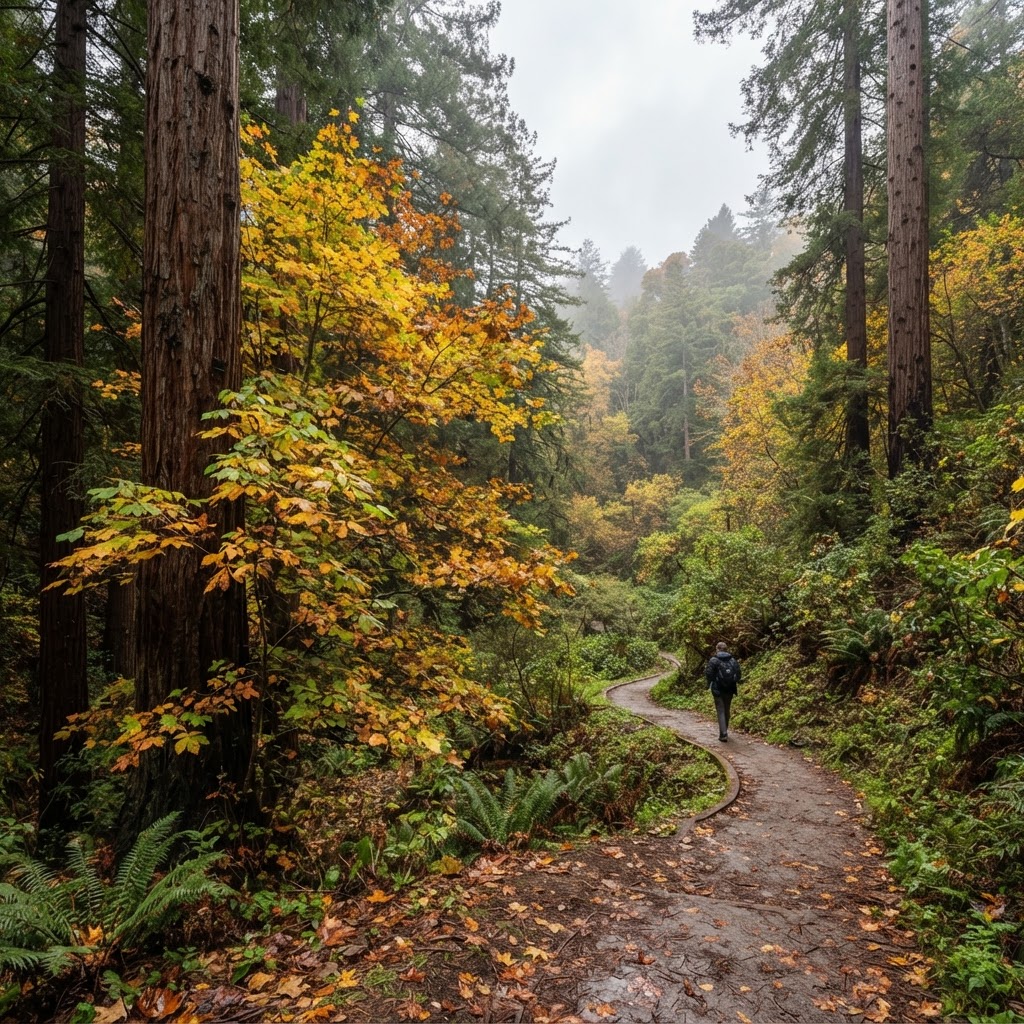
San Francisco's updated Public Works regulations now route hazard tree removal appeals solely through the Director rather than the Board of Appeals, expediting safety work ahead of winter storm season. Simultaneously, community advocates are highlighting persistent tree equity gaps while the city conducts its first comprehensive street tree LiDAR inventory in a decade.
Regulations & Permits
Under recently enacted municipal revisions codified in Ordinance No. 186-26 and implemented by [San Francisco Public Works](http://sfpublicworks.org/tree-removal-notifications), appeals of city-initiated hazardous tree removals are now heard exclusively by the Director of Public Works, eliminating former delays associated with appeals to the Board of Appeals. The legislation also enables developers to satisfy street tree obligations via in-lieu fees or alternative landscaping while exempting accessory dwelling units (ADUs). Arborists and contractors handling tree protection and planting plans must continue submitting protected tree checklists for projects impacting street, significant, or landmark trees, accompanied by the standard $209 review fee under Public Works Code Article 16.
Community Concerns
Canopy advocates and community organizations such as [FairTrees](https://fairtrees.org/) continue to press City Hall over persistent tree equity disparities, reporting over 9,000 empty sidewalk tree wells citywide alongside thousands of unresolved maintenance requests. Attention has centered on districts with historically low canopy cover, such as District 6, where the Bureau of Urban Forestry reported hundreds of empty basins and staffing shortages, though a multi-year contract to plant 2,000 vacant wells is slated to begin this December. Meanwhile, the city is concluding data collection on its first vehicle-mounted LiDAR street tree inventory in ten years to formally assess net canopy changes following years of net decline.
Ecosystem Challenge & Solution
As wet season approaches, San Francisco faces severe winter limb drops and storm blowdowns on structurally vulnerable trees, as well as pest-driven declines from infestations such as Myoporum thrips on over-mature ornamentals. Arborists recommend proactive end-weight reduction pruning and soil drainage checks prior to incoming Pacific storms, alongside the removal of declining exotic species with failing rootplates. When replanting basin sites, tree stewards should specify wind-firm, salt-tolerant California natives like the Coast Live Oak (Quercus agrifolia) or Pacific Wax Myrtle (Morella californica), which provide structural stability, drought resilience, and low pest susceptibility.
Volunteer & Planting
No specific single-day volunteer tree planting events were announced for today, November 21, 2026. However, residents and property stewards can prepare for upcoming winter planting cycles through [Friends of the Urban Forest](https://www.sf.gov/street-tree-planting-frequently-asked-questions), which partners with the Bureau of Urban Forestry to cut new sidewalk basins and plant street trees without requiring adjacent owner maintenance obligations. Neighborhood groups seeking to green empty basins can request tree plantings through the city's 311 portal ahead of scheduled neighborhood-wide planting rollouts.