
Canopy Daily · November 15, 2026
LiDAR Mapping and Code Changes Shape San Francisco Canopy Management Ahead of Winter
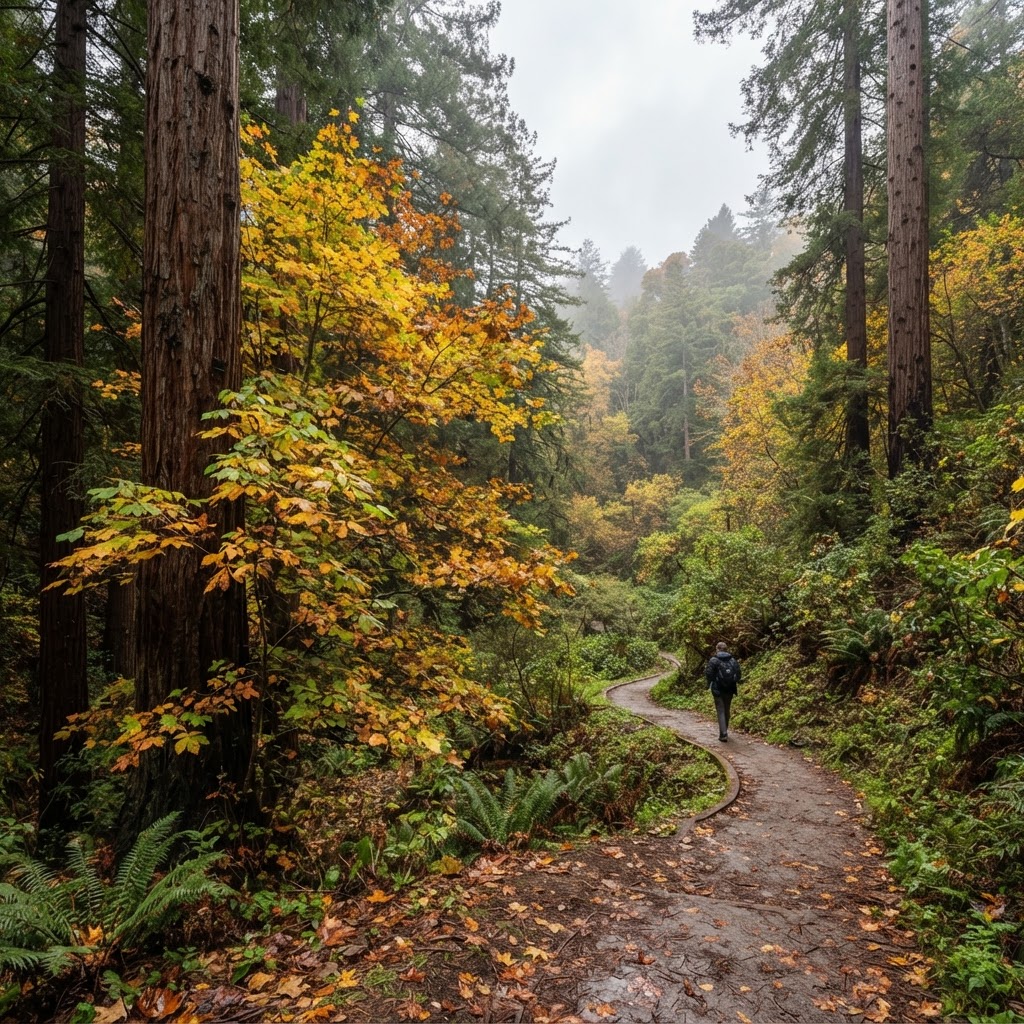
San Francisco is advancing its urban forest management through full-scale LiDAR street tree inventories and enacted updates to Public Works development planting rules. Meanwhile, advocates highlight canopy disparities across neighborhoods as the Bureau of Urban Forestry prepares winter basin planting initiatives.
Regulations & Permits
Under enacted Ordinance No. 186-26 amending the Public Works Code, development projects triggering street tree mandates—such as new construction, adding dwelling units, or net additions of 500+ gross square feet—may now satisfy planting obligations via payment of an in-lieu fee into a dedicated Adopt-A-Tree Fund account or through approved alternative landscaping, while accessory dwelling units (ADUs/JADUs) are formally exempt ([SF Public Works Ordinance No. 186-26](https://media.api.sf.gov/documents/o0186-26.pdf)). The Department of Building Inspection and Public Works guidance also clarifies that any work occurring within the dripline of a protected tree requires an Existing Tree Disclosure and an arborist-prepared Tree Protection Plan before permit approval ([San Francisco DBI Tree Planting and Protection FAQs](https://media.api.sf.gov/documents/Tree_Planting_and_Protection_Frequently_Asked_Questions.pdf)). Additionally, the Board of Appeals framework now establishes tighter timelines—acting within 30 days—on appeals regarding city-initiated street tree removals, while barring appeals for departmental hazardous tree removals ([SF Public Works Ordinance No. 186-26](https://media.api.sf.gov/documents/o0186-26.pdf)).
Community Concerns
Canopy equity advocates at FairTrees and neighborhood groups continue to scrutinize the Bureau of Urban Forestry over citywide maintenance backlogs and geographic disparity ([FairTrees San Francisco](https://fairtrees.org/)). Recent 311 public tracking data indicates over 11,000 open tree maintenance requests, more than 3,700 of which have languished for over a year, alongside 9,034 documented empty basins across the city ([FairTrees Key Facts](https://fairtrees.org/facts)). Disadvantaged neighborhoods such as the Tenderloin and South of Market have seen low planting ratios, leading supervisors and community advocates to call for transparency in street tree replacement and demanding the release of the long-delayed public pruning schedule map ([FairTrees District 6 Hearing](https://fairtrees.org/record/hearing-260433)).
Ecosystem Challenge & Solution
Mid-November brings seasonal Pacific winter storms that bring heavy coastal winds and sudden saturated soils, escalating root-heave and limb failure risks across dense urban street corridors. To minimize storm damage, arborists and stewards should inspect basins for drainage clogs, clear root collars, and conduct structural crown-thinning rather than destructive topping. When planning new plantings, selecting resilient, wind-tolerant native species suited to microclimates—such as the Coast Live Oak (*Quercus agrifolia*) for larger rights-of-way or the California Wax Myrtle (*Morella californica*) for tighter spaces—establishes deeper root architecture capable of weathering wet, stormy seasons.
Volunteer & Planting
Public Works' Bureau of Urban Forestry continues rollout preparations for its '3500 Trees Project' backed by federal Inflation Reduction Act grants, targeting low-canopy neighborhoods like Bayview-Hunters Point, Excelsior, Chinatown, and SoMa ([SF Public Works 3500 Trees Project](https://sfpublicworks.org/3500treesproject)). In addition, a recently contracted nonprofit effort is scheduled to begin filling 2,000 vacant sidewalk basins across high-equity-need zones starting in December ([FairTrees District 6 Hearing](https://fairtrees.org/record/hearing-260433)). No specific single-day volunteer event dates were published for this exact weekend; residents are encouraged to monitor local partner announcements and file empty basin suggestions via SF 311.