
Canopy Daily · November 13, 2026
San Francisco Enforces Streamlined Street Tree Rules as Neighborhood Canopy Equity Debates Intensify
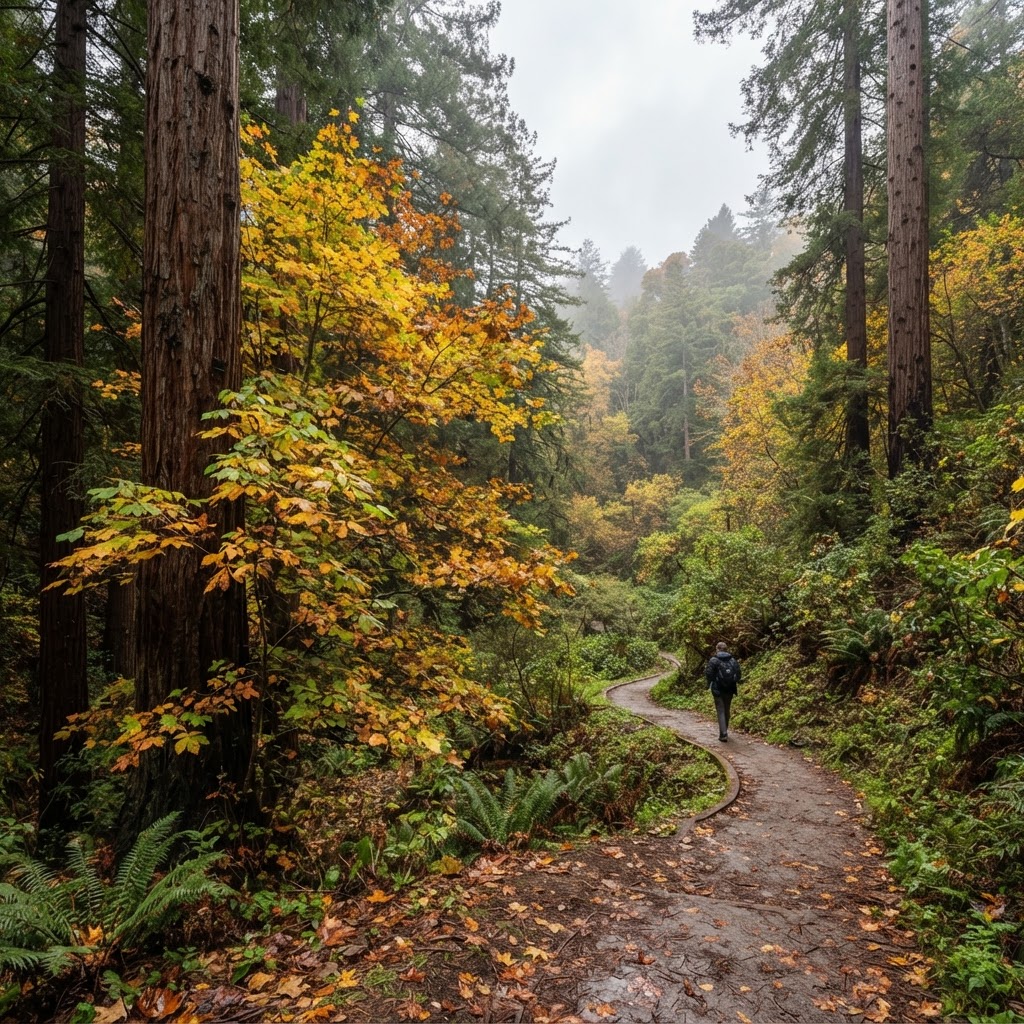
City officials and developers are adjusting to newly enacted Public Works and Planning Code revisions that establish an in-lieu street tree fund and modify appeal avenues for hazardous removals. Meanwhile, arborists and community stewards face persistent equity gaps in tree basin re-planting alongside winter storm preparation demands across the city's urban forest.
Regulations & Permits
San Francisco's Ordinance No. 186-26 recently took effect, amending the Public Works, Planning, and Administrative Codes regarding street tree obligations ([San Francisco Planning Department](https://sfplanning.org/planning-code-change-summaries)). Under the updated rules, development projects can satisfy street-tree planting mandates by paying in-lieu fees into a dedicated account within the Adopt-A-Tree Fund or by offering approved alternative landscaping, while certain accessory dwelling units (ADUs) under 750 square feet remain exempt ([Citizen Portal](https://citizenportal.ai/articles/10020114/board-approves-changes-to-street-tree-rules-creates-tree-fund-and-in-lieu-options)). Additionally, appeals to the Board of Appeals for emergency hazardous tree removals carried out by city departments have been eliminated to prevent public safety delays ([San Francisco Public Works](https://media.api.sf.gov/documents/o0186-26.pdf)). For ongoing construction, project teams must submit an Existing Tree Disclosure and obtain Public Works approval for an arborist-prepared Tree Protection Plan whenever excavation or construction falls within the dripline of protected street, significant, or landmark trees ([San Francisco Department of Building Inspection](https://media.api.sf.gov/documents/Tree_Planting_and_Protection_Frequently_Asked_Questions.pdf)).
Community Concerns
Canopy equity remains a central flashpoint following Board of Supervisors hearings scrutinizing under-canopied neighborhoods like District 6 (South of Market, Tenderloin, and Mission Bay), where over 200 empty or stumped tree basins remain unplanted ([FairTrees San Francisco](https://fairtrees.org/record/hearing-260433)). Community advocates argue that the new in-lieu fee system risks steering actual plantings away from neighborhoods most affected by urban heat islands ([FairTrees San Francisco](https://fairtrees.org/record/letter-to-committee-260433)). In tandem, residents and commissioners are actively debating draft Cal Fire Zone 0 wildfire safety principles regarding whether to restrict new street tree plantings within five feet of buildings and accelerate the removal of aging, flammable blue gum eucalyptus stands in high-risk zones ([San Francisco Public Works Commission](http://sfpublicworks.org/sites/default/files/Commissions/September%2024%2C%202026/Item%202_PWC%20Correspondence%20Log%202026-9-24.pdf)).
Ecosystem Challenge & Solution
As mid-November ushers in early winter storm systems, coastal windthrow, saturated soils, and limb failures represent the primary immediate threat to San Francisco's street canopy. Shallow or restricted root zones in aging sidewalks increase failure risks during heavy rains. Stewards and arborists should prioritize crown cleaning, structural pruning to reduce wind resistance, clearing leaves and debris from drainage grates surrounding basins, and inspecting root collars for decay or girdling roots. When planning replacements in narrow rights-of-way, consider wind-firm native options such as the Coast Live Oak (Quercus agrifolia) in wider medians or Toyon (Heteromeles arbutifolia) trained as a small standard, both of which provide high ecological value and tolerate coastal gales and winter downpours.
Volunteer & Planting
No newly announced citywide volunteer planting events or dates were published in local official logs this week. Residents and tree stewards seeking hands-on planting, basin weeding, or young tree watering opportunities are encouraged to check ongoing schedules directly with local urban forestry nonprofits such as Friends of the Urban Forest and the San Francisco Recreation and Park volunteer portal.