
Canopy Daily · November 8, 2026
San Francisco Canopy Updates: Tree Code Adjustments, District 6 Planting Equity Debates, and Late Autumn Storm Prep
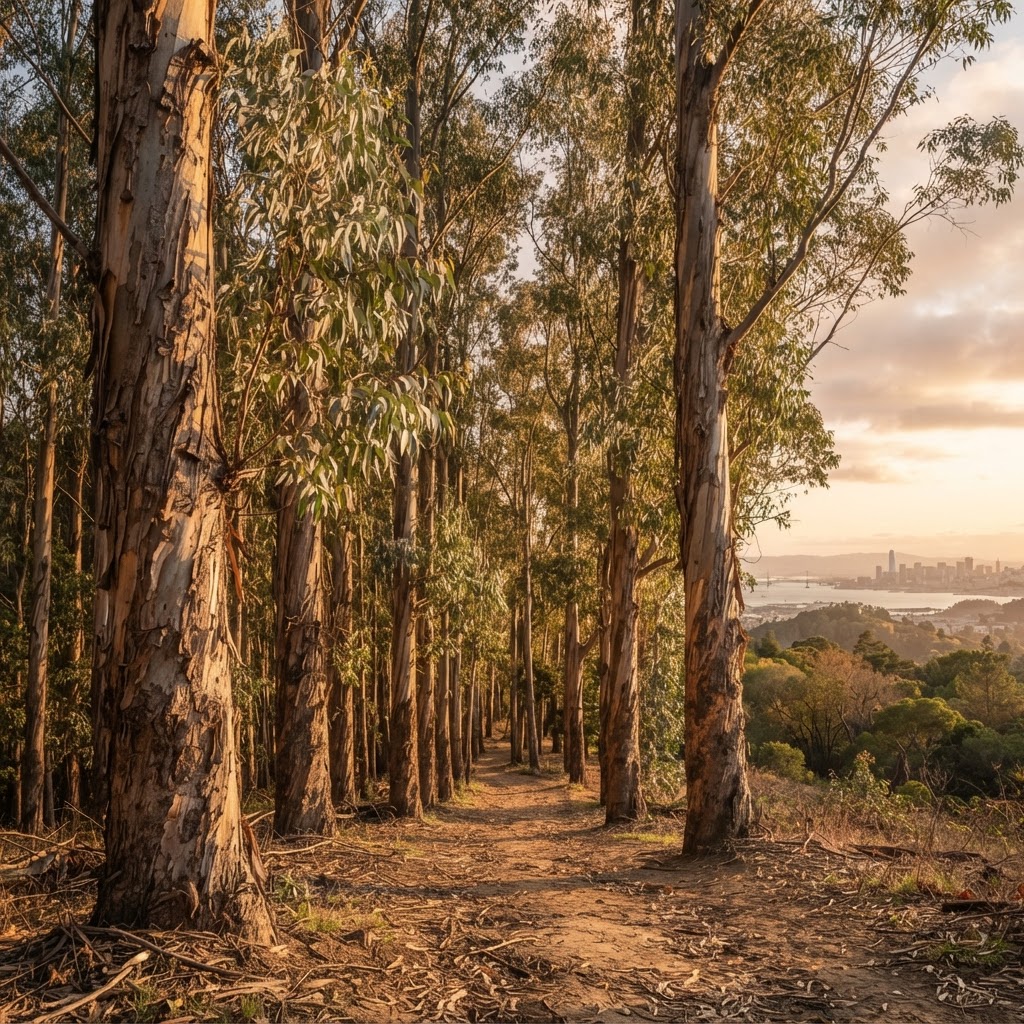
San Francisco continues to navigate policy revisions under newly enacted Ordinance 186-26 alongside public scrutiny over tree equity and sidewalk basin closures in low-canopy neighborhoods. Arborists and stewards are focusing on late-autumn root health and storm-hardening ahead of winter weather.
Regulations & Permits
Following the enactment of [Ordinance 186-26](https://sfgov.legistar.com/LegislationDetail.aspx?GUID=501704C5-BB9D-4EE2-AA5F-78763BC816CC&ID=7781521), significant updates have taken effect regarding development and urban forestry compliance under the Public Works Code. The ordinance permits qualifying development projects to satisfy street tree planting mandates through in-lieu fee contributions paid into a dedicated Adopt-A-Tree Fund account or by supplying approved alternative landscaping, while formally exempting accessory dwelling units (ADUs) from standard street tree requirements. Additionally, the ordinance removed administrative Board of Appeals routes for certain hazardous tree removals executed by municipal departments. For active building and excavation permits, the Department of Building Inspection and Public Works continue to strictly enforce dripline protection rules, requiring certified arborist Tree Protection Plans prior to permit issuance when construction encroaches within the driplines of street, significant, or landmark trees.
Community Concerns
Canopy equity remains a central focus of advocacy, notably underscored during recent Board of Supervisors hearings led by community groups like [FairTrees San Francisco](https://fairtrees.org/record/hearing-260433). Stewards and neighborhood advocates are calling for reforms to Public Works Order 187246, which restricts street tree planting on sidewalks narrower than 7.5 feet—a guideline that has led to scores of empty basins being closed or paved over in neighborhoods with historically low canopy coverage such as SoMa and District 6. Advocacy groups continue urging city leadership and the Bureau of Urban Forestry to institute binding neighborhood-level canopy targets, dedicate recurring funding for replanting, and address hundreds of remaining stumped basins across equity priority zones.
Ecosystem Challenge & Solution
Heading into November, the onset of coastal wet-weather systems and early winter wind gusts presents a heightened risk of branch failure and root plate destabilization across San Francisco's shallow or compacted urban soils. To mitigate limb failure, arborists recommend completing structural crown thinning and deadwood removal while inspecting sidewalk basins to ensure proper drainage and relieve severe soil compaction around root collars. For new late-autumn planting that handles wet winters and dry summers with wind resilience, California bay laurel (*Umbellularia californica*) or coast live oak (*Quercus agrifolia*) serve as resilient native evergreen species suitable for appropriately sized planting sites.
Volunteer & Planting
No specific newly scheduled volunteer stewardship or public planting workdays were announced for today, November 8, 2026. Urban forestry stewards and residents seeking upcoming neighborhood tree plantings or street tree care events are advised to check current calendars hosted by local partners, including Friends of the Urban Forest and the San Francisco Public Works StreetTreeSF program.