
Canopy Daily · November 6, 2026
Canopy Daily: San Francisco Urban Forestry Briefing for November 6, 2026
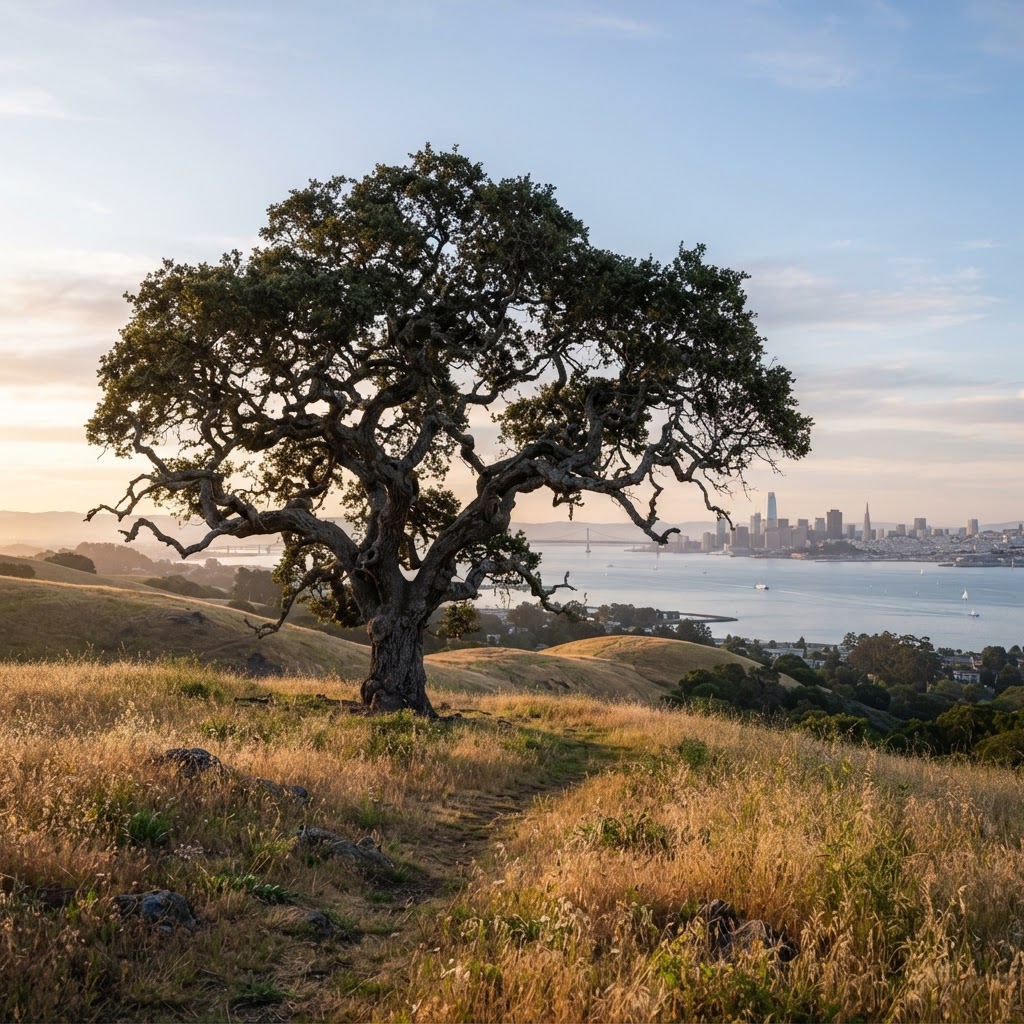
Implementation of San Francisco Ordinance 186-26 shapes citywide tree mitigation and development requirements as advocates intensify calls to address neighborhood canopy inequities. Meanwhile, field crews face persistent seasonal pest pressures and root conflict challenges across local neighborhoods.
Regulations & Permits
Work across the city continues under the newly enacted [Ordinance 186-26 (passed in September 2026)](https://sfgov.legistar.com/LegislationDetail.aspx?GUID=501704C5-BB9D-4EE2-AA5F-78763BC816CC&ID=7781521), which updated Article 16 of the Public Works Code. The ordinance permits qualifying development projects to satisfy street tree planting requirements via alternative landscaping or in-lieu fee contributions paid into a dedicated Adopt-A-Tree Fund account, while exempting accessory dwelling units (ADUs) and eliminating Board of Appeals review for hazardous tree removals executed by municipal departments. For active construction near street or significant trees, the Department of Building Inspection and San Francisco Public Works continue enforcing mandatory Existing Tree Disclosures and certified arborist-led Tree Protection Plans within designated driplines before building permits can proceed ([SF.gov Tree Planting and Protection FAQ](https://media.api.sf.gov/documents/Tree_Planting_and_Protection_Frequently_Asked_Questions.pdf)).
Community Concerns
Canopy equity remains a central issue before city commissions and the Board of Supervisors, where advocates point out stark neighborhood divides, such as the South of Market (SoMa) area's estimated 2.7% canopy cover compared to the ~13% citywide average ([FairTrees San Francisco Hearing File 260433](https://fairtrees.org/record/hearing-260433)). Community members are calling for formal neighborhood canopy targets and challenging Public Works Order 187246, which restricts replanting in sidewalk basins narrower than 7.5 feet. Separately, public correspondence submitted to the Public Works Commission urges the city to integrate Cal Fire draft Zone 0 defensible space standards to curb structural wildfire and post-earthquake conflagration risks ([Public Works Commission Correspondence Log](https://sfpublicworks.org/sites/default/files/Commissions/September%2024%2C%202026/Item%202_PWC%20Correspondence%20Log%202026-9-24.pdf)).
Ecosystem Challenge & Solution
Late-autumn monitoring reveals sustained canopy decline from myoporum thrips (*Klambothrips myopori*), which continues to trigger street tree removals across western and central neighborhoods as chronic infestations outpace chemical management and canopy flushes ([SF Public Works Tree Removal Notices](http://sfpublicworks.org/node?page=0)). To mitigate insect vulnerability and infrastructure damage from severe sidewalk heave, arborists recommend replacing failing exotic specimens with resilient California native selections well adapted to coastal microclimates, such as Coast Live Oak (*Quercus agrifolia*) or California Bay Laurel (*Umbellularia californica*) trained to standard, paired with adequate root-barrier infrastructure and soil volumes.
Volunteer & Planting
No specific newly scheduled volunteer planting events were announced for today, November 6, 2026. However, residents and local tree stewards are actively encouraged to monitor empty neighborhood tree basins and support young street trees through regular watering and basin care while municipal planting schedules face seasonal maintenance backlogs.