
Canopy Daily · November 24, 2026
LA County Advances Oak Protections While City Confronts Urban Forest Canopy Deficits
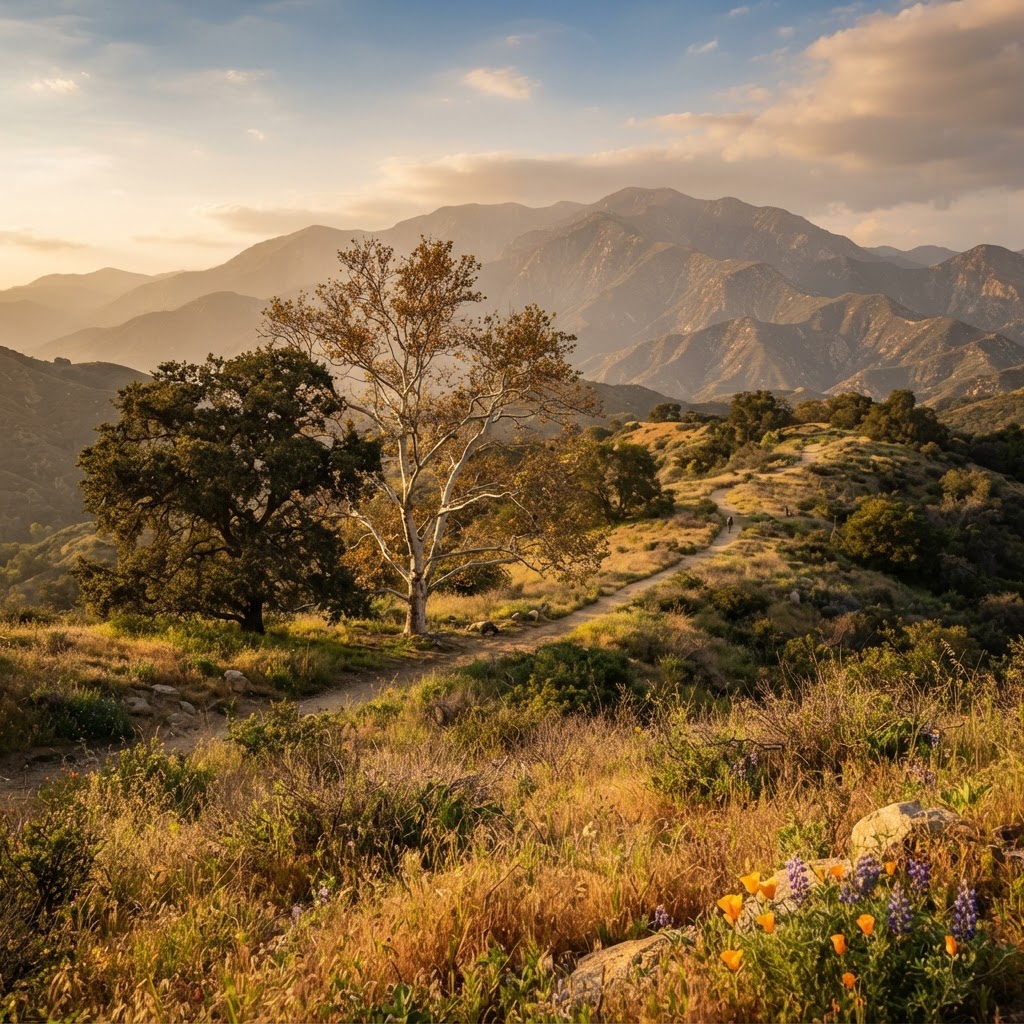
Los Angeles County is actively collecting public feedback through the end of 2026 on major revisions to its Oak Tree Permit Ordinance. Meanwhile, community groups in the City of Los Angeles are pushing for binding municipal authority and dedicated funding to support the city's new Urban Forest Management Plan.
Regulations & Permits
Los Angeles County Planning is currently receiving public comment through the end of 2026 on its Preliminary Public Draft of the [Oak Tree Permit Ordinance Update](https://planning.lacounty.gov/long-range-planning/oak-tree-program). If adopted, the revised rules would clarify permitting for unincorporated areas, establish a "critical root zone" to differentiate minor from major encroachments, streamline minor encroachments via checklist review, and reduce the arborist report radius from 200 feet to 50 feet of ground disturbance. The draft also proposes mandatory ISA or ASCA certification for consultants preparing oak reports, requires five years of post-planting monitoring, introduces an Oak Tree Recovery Permit for unpermitted damage, and offers a "Landscape Oaks" exemption to encourage planting new registered native oaks.
Community Concerns
Local neighborhood councils and advocates are formally weighing in on the City of Los Angeles's new [Urban Forest Management Plan Draft](https://www.venicenc.org/assets/documents/5/meeting6afcda96df69c.pdf). While praising targets such as a 25% citywide canopy coverage by 2035 and a 15% neighborhood floor, advocates emphasize that the city faces an estimated $118 million annual need against an existing $30 million budget, resulting in a backlogged 17-year street tree pruning cycle. Groups are urging City Council to grant the Office of Forest Management binding review authority over capital projects and private developments to prevent ongoing canopy loss.
Ecosystem Challenge & Solution
In late autumn, native oaks face heightened physiological stress from compacted urban soils and threats from wood-boring pests such as the Goldspotted Oak Borer ([LA County Planning](https://planning.lacounty.gov/wp-content/uploads/2025/07/Oak_Tree_Permit_FAQ_English.pdf)). Stewards should avoid heavy equipment or soil compaction inside the protected root zone (the dripline plus five feet) and refrain from pruning living branches during warm flight windows to minimize borer attraction. When replacing compromised trees or reforesting open sites, practitioners are encouraged to select indigenous, drought-resilient species such as Coast Live Oak (*Quercus agrifolia*), paired with a minimum five-year establishment watering plan.
Volunteer & Planting
No specific upcoming public planting calendar events were announced today. However, the Los Angeles City Council recently passed Council File 26-1333 to develop an accelerated [Vacant Tree Well Planting Program](https://local-gov-matters.org/us/california/los-angeles/issues/vacant-tree-well-planting-program), which directs resources toward streamlining street planting permits and monitoring for local community-based forestry organizations. Residents and stewards are encouraged to monitor local urban forestry non-profits and City Council tree well initiatives as implementation unfolds.