
Canopy Daily · November 21, 2026
LA County Advances Oak Protections While Advocates Push for Binding Urban Forest Rules
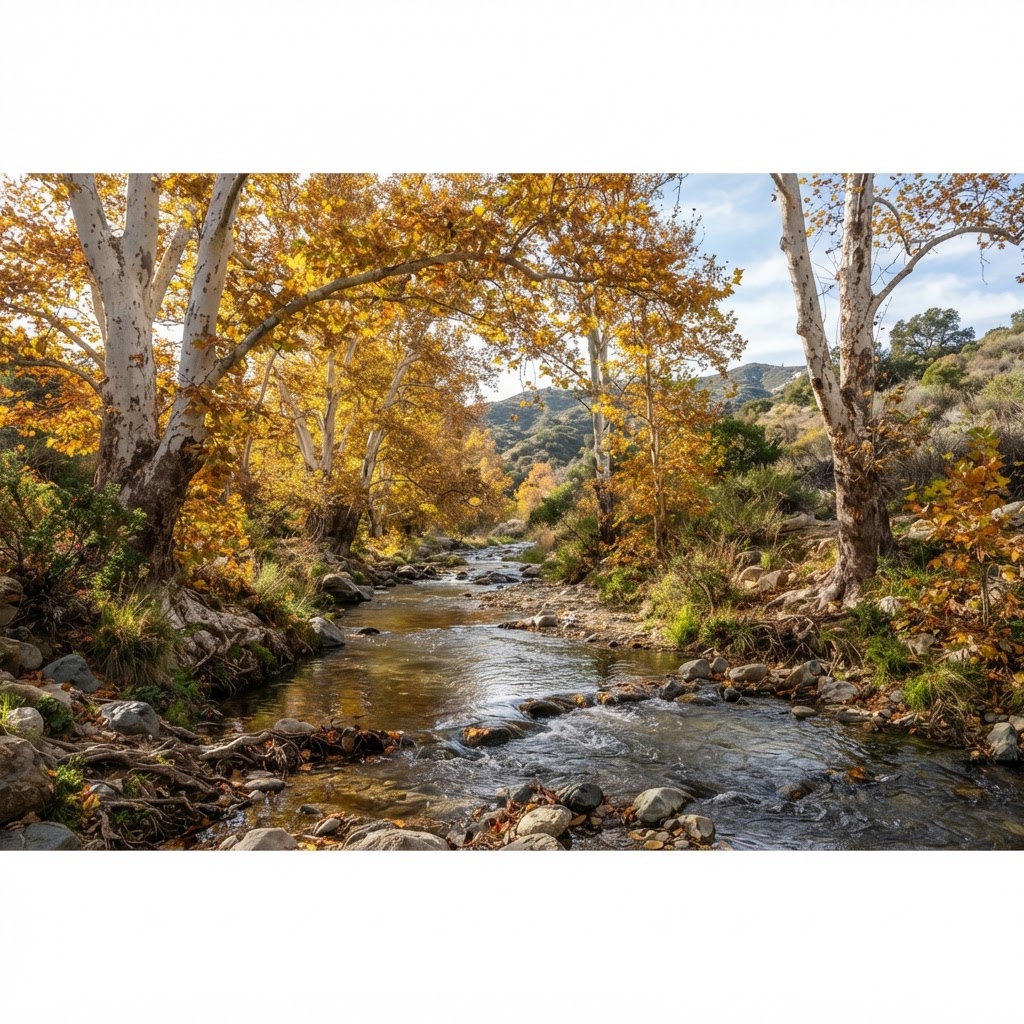
Los Angeles County is gathering public feedback on major revisions to its Oak Tree Permit Ordinance aimed at closing enforcement loopholes and streamlining routine reviews. Simultaneously, local community groups and forestry nonprofits are urging civic leaders to attach dedicated funding and enforceable standards to broader regional canopy plans.
Regulations & Permits
LA County Planning is actively accepting public input through the end of 2026 on its Preliminary Public Draft update to the [Oak Tree Permit Ordinance](https://planning.lacounty.gov/long-range-planning/oak-tree-program/). Key proposed changes include mandating ISA or ASCA credentials for professionals authoring oak tree reports, instituting geocoordinate tracking, requiring an Oak Tree Recovery Permit with fines and drone monitoring for unpermitted actions, and mandating a public hearing for any protected oak tree removal for single-family residences. Currently, property owners in unincorporated areas may prune branches and roots up to two inches in diameter without a permit, but any work beyond that or encroachment into the protected zone (dripline plus 5 feet or 15 feet from the trunk) requires county approval.
Community Concerns
Neighborhood groups and urban forestry advocates across the county are demanding that broad policy targets be converted into enforceable law. In response to the City of Los Angeles's recently released draft Urban Forest Management Plan, community coalitions like the [Venice Neighborhood Council](https://www.venicenc.org/assets/documents/5/meeting6afcda96df69c.pdf) are calling for binding design-review authority for the Office of Forest Management, mandatory uncompacted soil volumes, and stronger protections for mature non-native shade trees on private land. Similarly, in municipalities such as Palos Verdes Estates, residents are advocating for earlier planning commission coordination to prevent parkway trees from being removed or altered prior to environmental committee oversight.
Ecosystem Challenge & Solution
Heading into late autumn, regional oak canopies face severe stress from prolonged dry cycles compounded by threats from destructive pests such as the Goldspotted Oak Borer (GSOB). Practitioners and property owners must avoid unnecessary branch thinning during dry spells, which invites wood-boring insects, and instead conduct deep, slow supplemental watering around the outer half of the tree’s protected root zone rather than against the trunk. For land stewards looking to expand canopy resilience, planting site-adapted native species such as coast live oak (Quercus agrifolia) or valley oak (Quercus lobata) from locally collected acorns helps re-establish resilient root systems without excessive irrigation needs.
Volunteer & Planting
No newly posted single-day planting events were announced today, but major long-term campaigns are accelerating stewardship efforts across vulnerable shade corridors. Organizations like [TreePeople](https://www.cleanenergywire.org/news/los-angeles-running-out-time-deliver-green-olympic-promises) continue moving forward on initiatives to plant and maintain 28,000 trees across Southern California ahead of the 2028 Games, targeting high-heat urban transit hubs and disadvantaged neighborhoods while nonprofit groups navigate evolving municipal permitting constraints.