
Canopy Daily · November 10, 2026
Canopy Daily: Chicago Forestry Advocates Push for City Foresters as Fall Stewardship Concludes
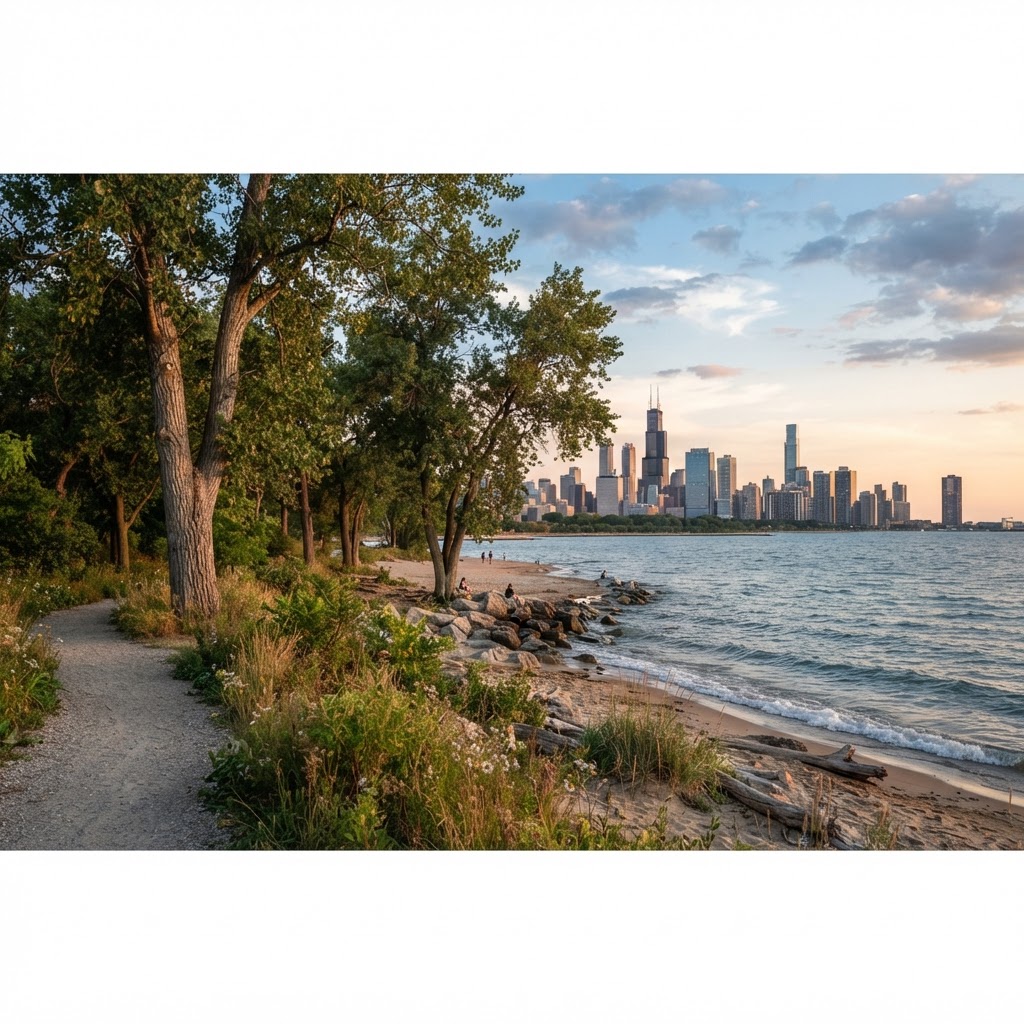
Urban forestry advocates are urging the Chicago City Council to fund critical senior forester positions to manage the city's rapidly expanding public tree canopy. Meanwhile, regional agencies and volunteers are wrapping up fall plantings and turning their attention to seasonal structural pruning and stormwater management.
Regulations & Permits
No new municipal tree preservation codes, permit fee adjustments, or Environmental Critical Area (ECA) regulatory updates were published today for Chicago or Cook County. However, standard Chicago Bureau of Forestry permit rules continue to apply to all work involving public parkway trees, requiring certified arborists and contractors to secure approvals prior to removals, root zone disturbances, or major utility trims. Additionally, ComEd contracted arborists are conducting fall vegetation management through December 2026 across municipal utility rights-of-way under state regulatory mandates, requiring licensed herbicide application on removed stumps to maintain clearance and reliability, as detailed by the [City of West Chicago](https://westchicago.org/news/comed-fall-vegetation-management).
Community Concerns
Community and forestry advocates from Openlands recently petitioned the Chicago City Council Committee on Budget and Government Operations to immediately fund and restore senior city forester positions within the Bureau of Forestry, according to [Chicago City Wire](https://chicagocitywire.com/chicago-forestry-advocates-press-budget-committee-to-add-senior-forester-positions). Although the city will reach its four-year goal of planting roughly 75,000 trees next month, advocates warn that young trees will suffer high mortality rates without dedicated arborists to inspect and maintain them. They also noted that Chicago's ongoing $3 million public tree inventory, slated for completion in fall 2027, risks becoming an underutilized tool if city forestry staff lacks the operational capacity to execute its findings.
Ecosystem Challenge & Solution
Late-autumn brings severe seasonal challenges from freezing, heavy rains and saturated soils, compounding stormwater burdens on public infrastructure across Cook County. Saturated soils weaken root holds, increasing the risk of windthrow during early winter storms. A practical solution for residents and stewards is integrating on-site stormwater retention features, such as deep mulching and downspout adjustments featured in the [Metropolitan Water Reclamation District of Greater Chicago](http://www.mwrd.org/news/mwrd-flow-november-2026) Green Neighbor Guide, while soil remains workable. To maximize long-term urban hydrology and stormwater interception, land managers are encouraged to plant deep-rooting native oak species like the bur oak (*Quercus macrocarpa*) or swamp white oak (*Quercus bicolor*).
Volunteer & Planting
While regional programs like the MWRD's "Restore the Canopy" sapling distribution have officially closed for the 2026 season, local volunteer opportunities remain active through [Openlands](https://openlands.org/events). Today, November 10, TreeKeepers are hosting pruning workdays at Ogden Park (9:00 AM to 12:00 PM) and on Lincoln Square street trees (10:00 AM to 1:00 PM). Later this week, volunteers can join a Community Tree Care Day at Chicago State University on November 11 from 9:00 AM to 12:00 PM, as well as a community tree planting workday scheduled in Pullman on November 12.