
Canopy Daily · November 6, 2026
Canopy Daily: Forestry Advocates Urge City Council to Fund Senior Forester Positions as Fall Stewardship Continues
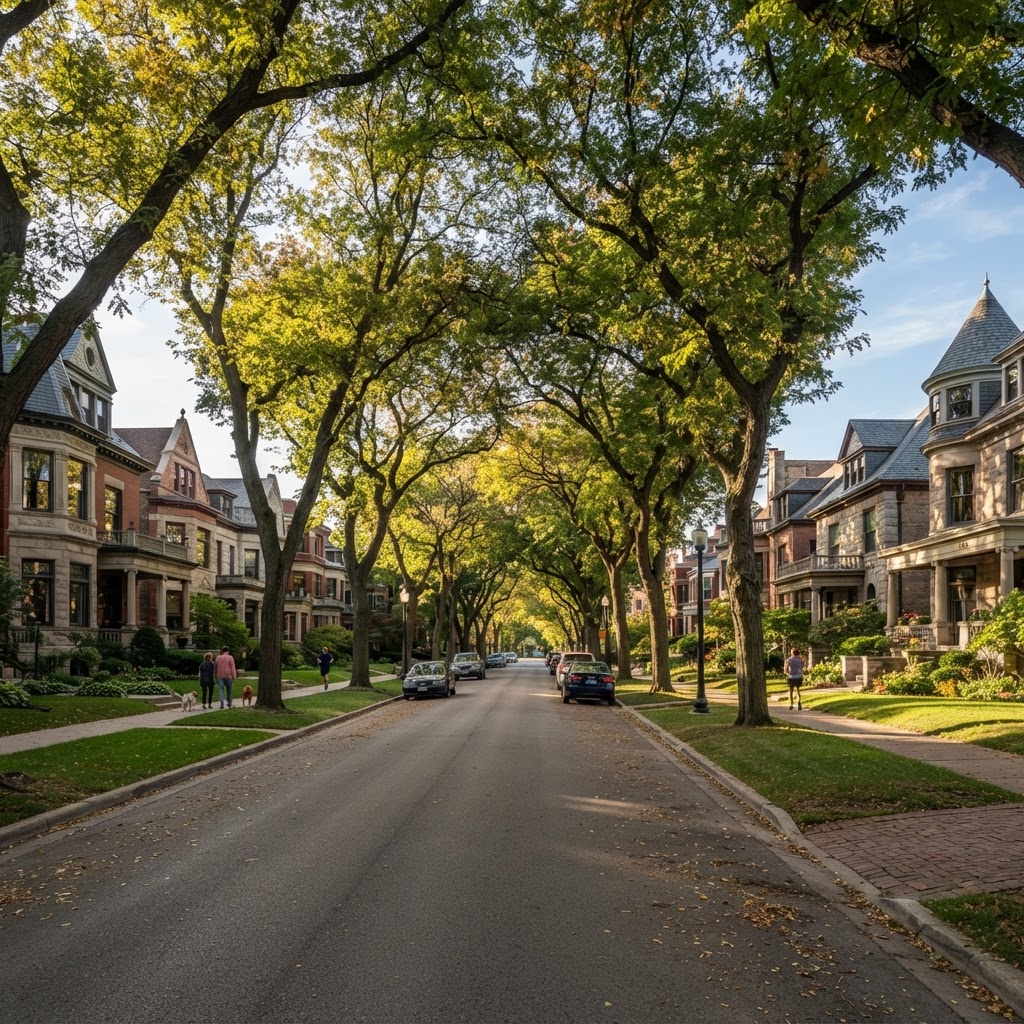
Chicago urban forestry advocates are pressing city officials to restore crucial forester staffing to support the completion of the city's $3 million public tree inventory. Meanwhile, local canopy initiatives are wrapping up seasonal distributions and shifting focus toward fall pruning workdays and habitat restoration across Cook County.
Regulations & Permits
No new citywide updates to Chicago's tree code or Landscape Ordinance were enacted this week; standard Department of Planning and Development (DPD) landscape reviews and Bureau of Forestry parkway tree permitting requirements remain in effect under Section 17-11 of the municipal code. Regionally within Cook County, municipal code adjustments continue, such as Hometown's recent ordinance committee amendment mandating permits, a $25 fee, insurance verifications, and fines up to $250 for removing trees taller than 20 feet, underscoring heightened oversight for regional arborists.
Community Concerns
At City Council budget hearings, representatives from Openlands and the Chicago Urban Forestry Advisory Board (CUFAB) voiced strong concerns that Chicago's $3 million public tree inventory will languish without sufficient staff capacity. Advocates urged the Committee on Budget and Government Operations to restore senior city forester roles lost to attrition and fill existing vacancies so the Bureau of Forestry can actively execute recommendations once the full inventory concludes next year.
Ecosystem Challenge & Solution
As autumn transitions toward freezing temperatures, urban soils across Cook County face heavy late-fall compaction and freeze-thaw stress, hindering root development in recently planted trees and reducing stormwater absorption. A practical fix is applying a 2- to 4-inch layer of organic, aged wood chip mulch in a wide ring while avoiding the trunk flare, which insulates roots and conserves moisture. For landowners and stewards planning seasonal plantings before ground freeze, swamp white oak (Quercus bicolor) is a resilient native choice well-suited to heavy, poorly drained Chicago urban soils and freeze-thaw cycles.
Volunteer & Planting
While the Metropolitan Water Reclamation District of Greater Chicago (MWRD) concluded its seasonal 'Restore the Canopy' sapling distribution after providing 5,734 native oaks across Cook County in 2026, hands-on stewardship remains active. Openlands and volunteer TreeKeepers have scheduled upcoming pruning and care workdays, including sessions in the 40th Ward on November 7 and at Chicago State University on November 11. Additionally, the Forest Preserves of Cook County are hosting invasive plant removal and seed collection stewardship days starting November 14 at sites such as the Little Red Schoolhouse Nature Center.